
Stainless steel laboratory worktops
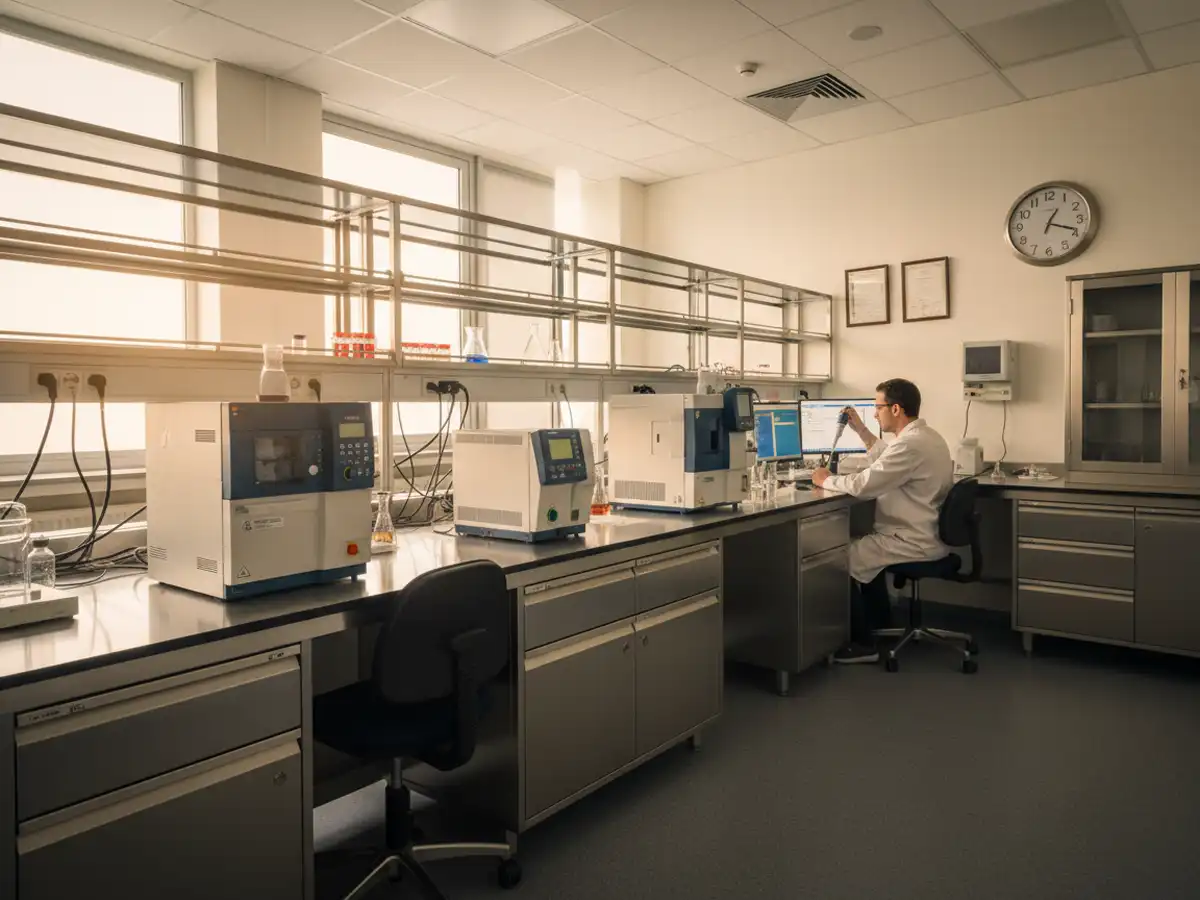
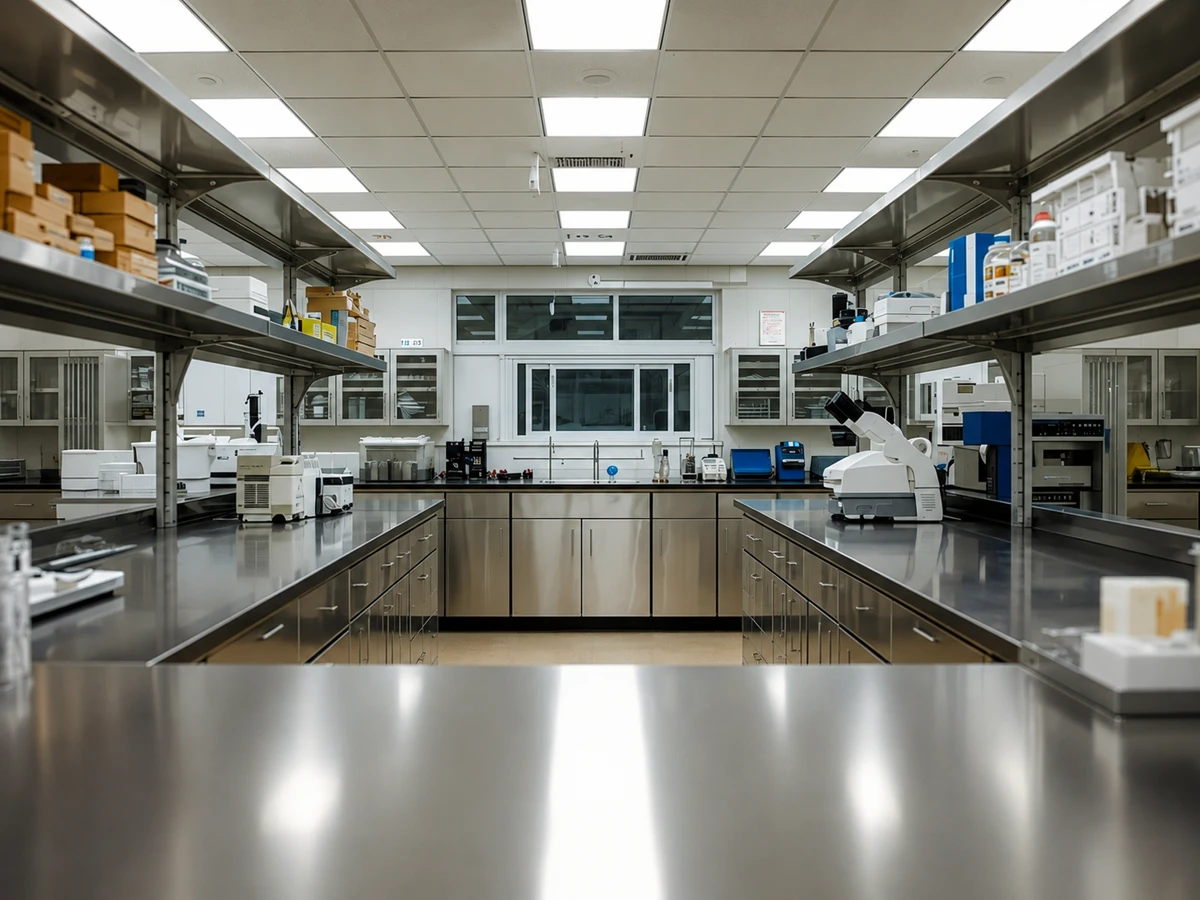
Laboratory worktops are required to withstand demanding conditions that would quickly degrade many conventional surface materials. Stainless steel remains one of the most widely specified options throughout scientific, medical, pharmaceutical and industrial facilities due to its combination of chemical resistance, hygienic properties, structural strength and long service life.
The grades most commonly specified are 304 and 316 stainless steel. Grade 304 is suitable for the majority of laboratory environments, whilst grade 316 offers enhanced resistance to chlorides and more aggressive chemicals. Both provide excellent resistance to moisture, staining and routine exposure to laboratory cleaning agents.
Laboratory environments routinely involve contact with acids, alkalis, solvents, disinfectants and other potentially corrosive substances. The naturally occurring chromium oxide layer on stainless steel provides protection against corrosion and enables the surface to withstand repeated cleaning without deterioration. Unlike porous materials, it does not absorb liquids or harbour contaminants, making it particularly suitable for controlled environments where cleanliness is essential. Laboratories don’t just need clean worktops; they need clean rooms, which is where seamless metal wall cladding comes in.
These characteristics make stainless steel an established choice within pharmaceutical manufacturing, biotechnology, microbiology, pathology and healthcare laboratories. In such settings, surfaces must support stringent cleaning protocols whilst minimising the risk of contamination. Welded construction can further improve hygiene standards by eliminating joints and crevices where debris or bacteria may accumulate.
Because chemical resistance is critical, these surfaces can be fabricated with hygienic welded-in stainless sinks to prevent dangerous fluid pooling.
Research institutions, universities and analytical laboratories also benefit from the material’s durability and versatility. Whether used for chemical analysis, environmental testing, food science, quality control or academic research, the surface provides a stable and dependable working platform capable of withstanding intensive daily use.
Engineering laboratories and industrial testing facilities frequently specify stainless steel due to its mechanical strength and dimensional stability. Heavy equipment, analytical instruments, testing apparatus and prototype assemblies can be supported without risk of distortion, whilst the surface remains resistant to oils, coolants, lubricants and cleaning chemicals commonly encountered in technical environments.
A further advantage is longevity. Well-manufactured laboratory worktops can remain fully operational for decades with minimal maintenance. Their resistance to impact damage, abrasion and corrosion helps reduce lifetime ownership costs, whilst the absence of timber-based substrates eliminates problems associated with swelling, delamination and moisture ingress.
For laboratories where reliability, hygiene and chemical resistance are fundamental requirements, stainless steel continues to provide a proven and technically robust solution across a broad range of scientific, medical and industrial applications.